You run the hall, the token cluster or your company’s GPUs. clustermate finds the power, cooling and GPU time you already pay for, and puts it to work. Safely, and on the record.
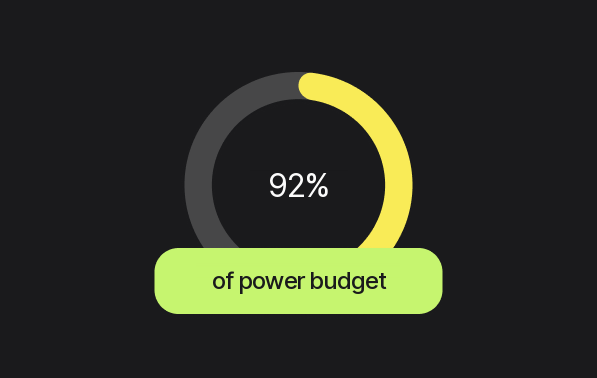
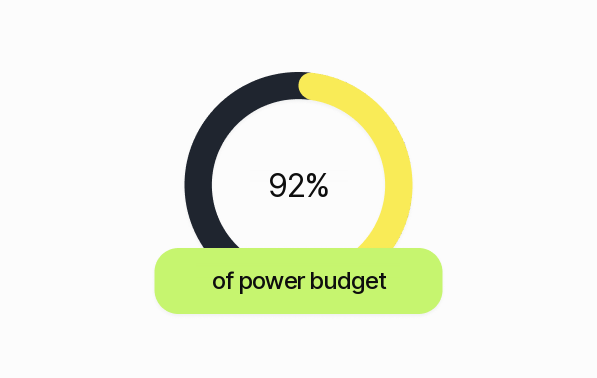
Demand doubles while the grid waits years. Growth has to come from the megawatts already built. (Idle megawatt at CBRE’s 2026 lease rate; grid wait in Northern Virginia, JLL 2026; decode energy from a 2026 university study on one H200, under 1% throughput lost.)
195K a month, per idle megawatt
7 years for new grid power
32% less decode energy, same work
Pick your floor
Three jobs. One building.
Whichever floor you run, the gap looks the same: capacity you already pay for, sitting idle. Already with 4 design partners, and 8 systems integrators in the pipeline.
GPU-reported power fell from 156 W to 124 W under a power limit, then was restored. Throughput was not measured.
Partner lab session
Sep 12, 2026 · BMC reading
Whole-server power fell from 291 W to 260 W on an independent BMC reading in the same session.
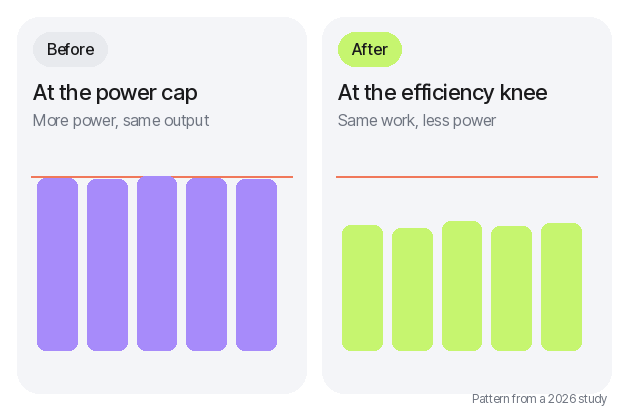
University study, 2026
One H200, LLM decode
A power cap moved throughput by under 3%. A locked clock saved up to 32% of decode energy for under 1% throughput.
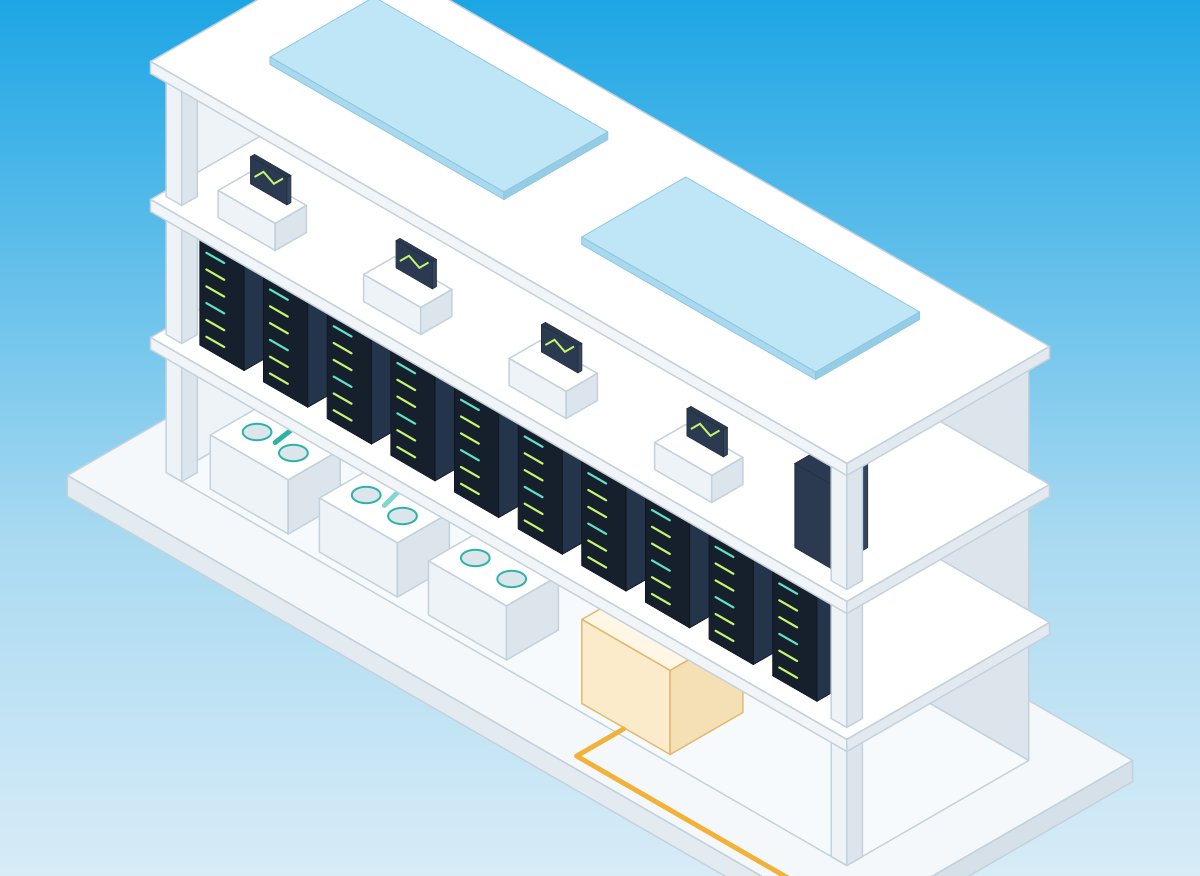
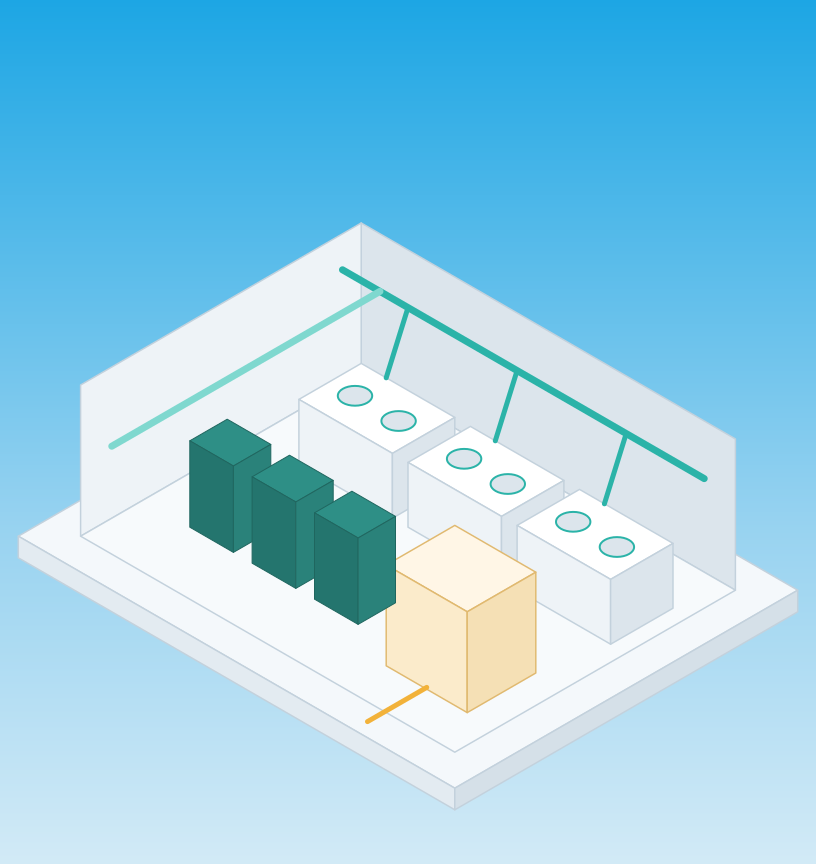
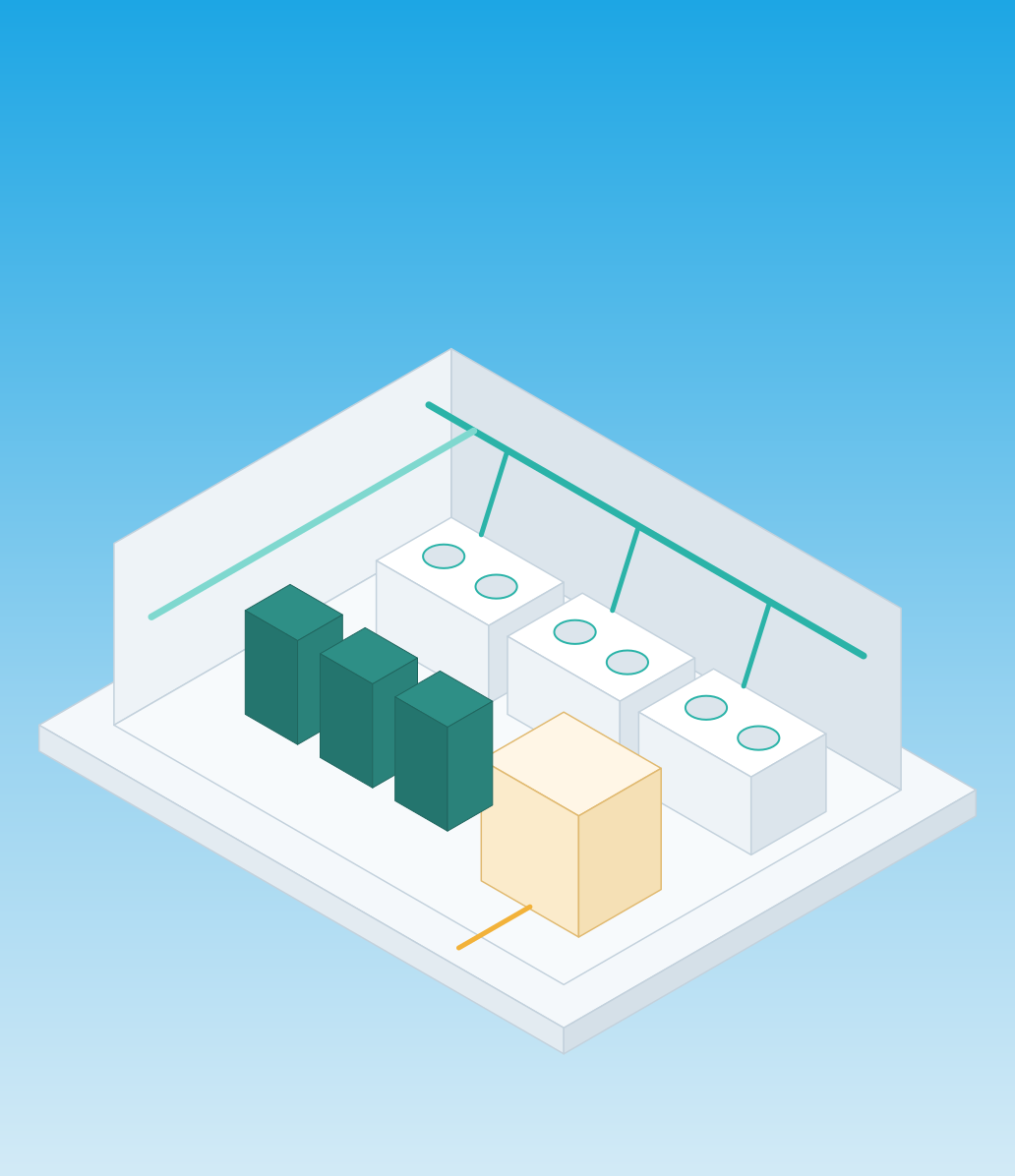
The facility
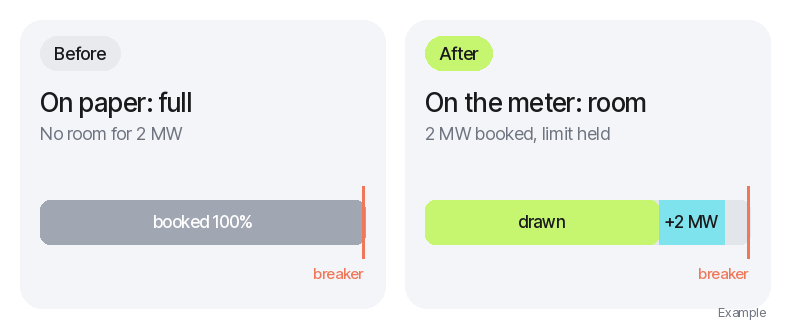
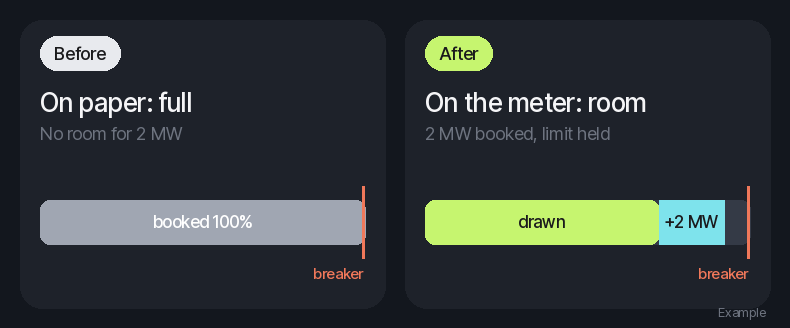
Full on paper. Not on the meter.
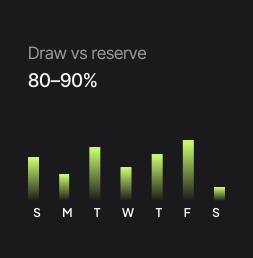
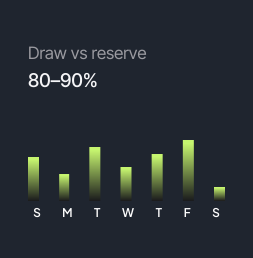
Example: a customer asks for 2 MW. The plan says the hall is full, and the utility says years. That night the racks draw far less than they reserve. With clustermate the same hall says yes on Monday.
Reserve against draw, rack by rack
Sell by power budget, not GPU count
Cooling told before the heat arrives
Flexible jobs slow first; guaranteed power is never touched
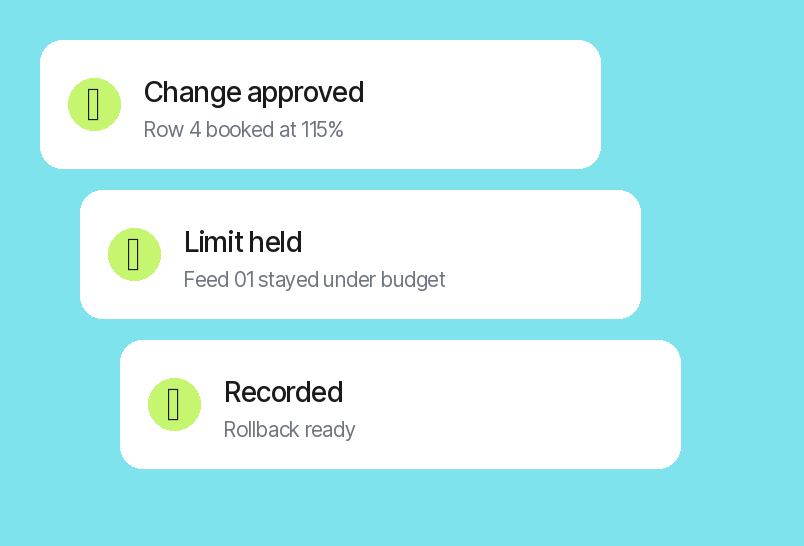
Every limit held, on the record
2
MW, yes
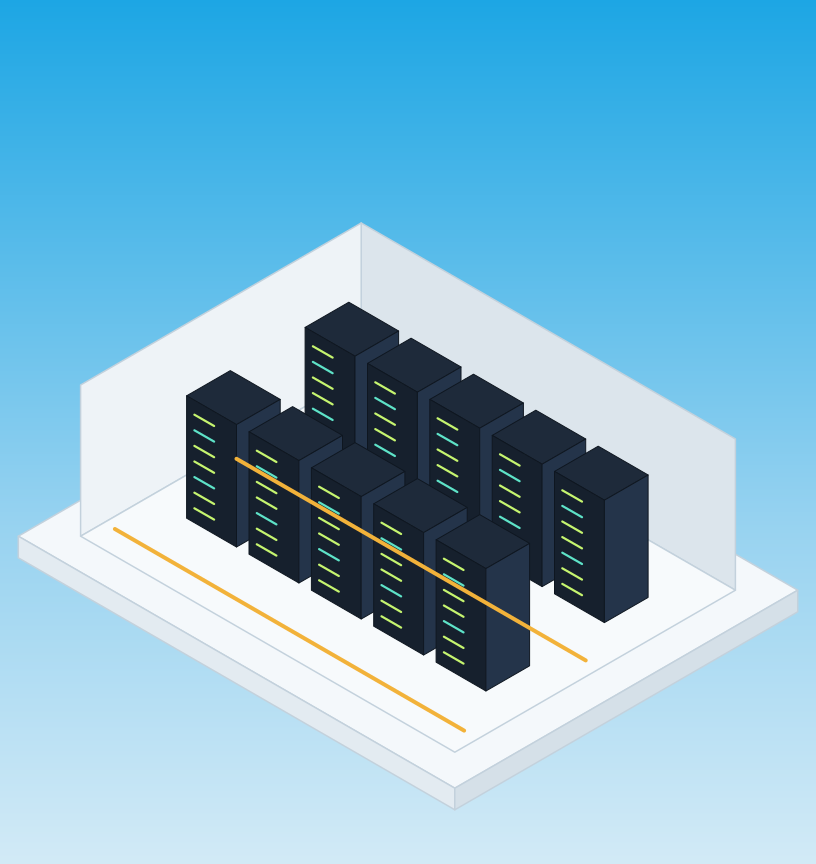
The token factory
Same megawatt. More tokens.
GPU power cut, partner lab session
20%
Whole-server power cut, same session
11%
Decode energy saved by a locked clock
32%
GPU operations tasks mapped
300
1
Bring one
GPU cluster.
tokens per megawatt
We map it read-only with you, because one cluster shows the pattern for the whole fleet.
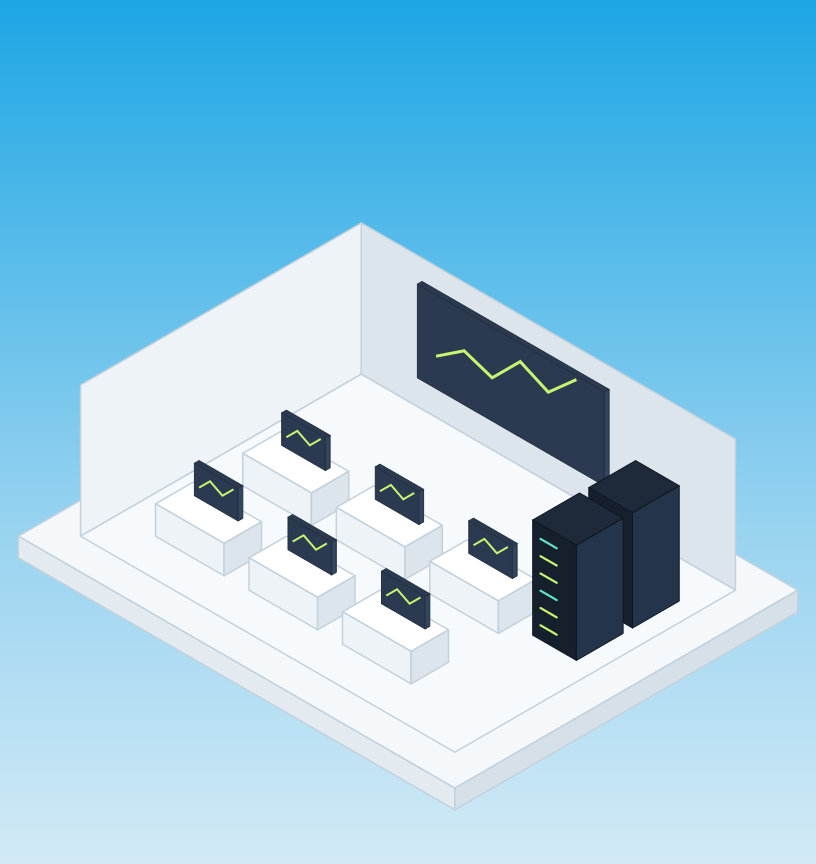
The enterprise
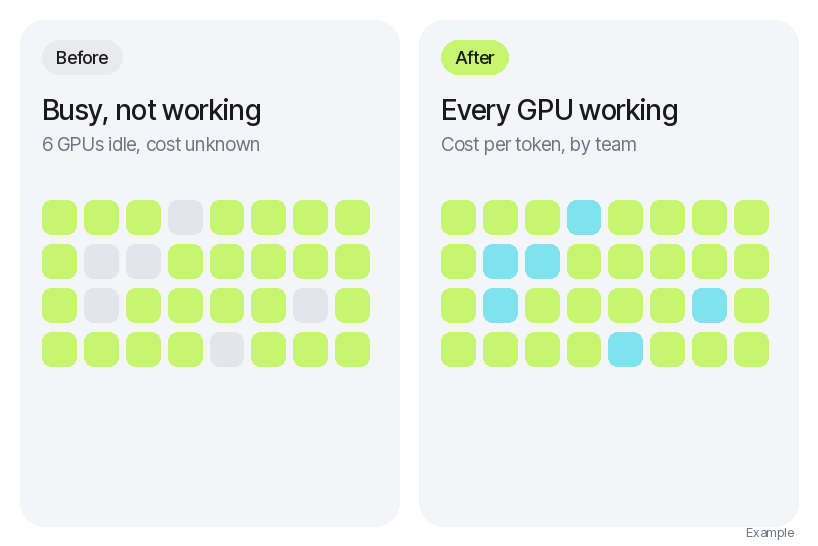
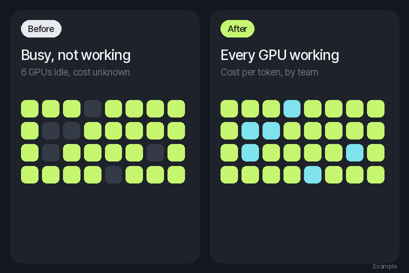
Busy is not the same as working.
Idle GPUs, filled
Idle and fragmented GPUs found and put to work
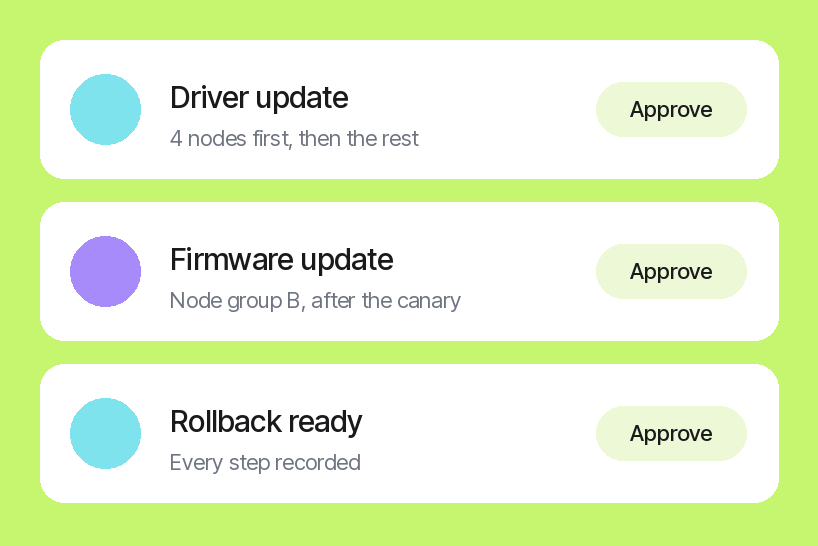
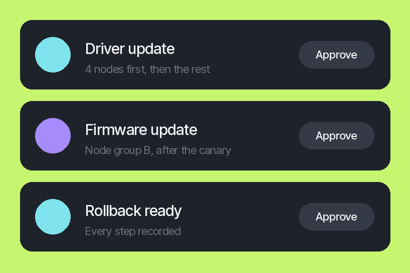
Upgrades you can trust
Drivers and firmware tried on a few nodes first, then recorded
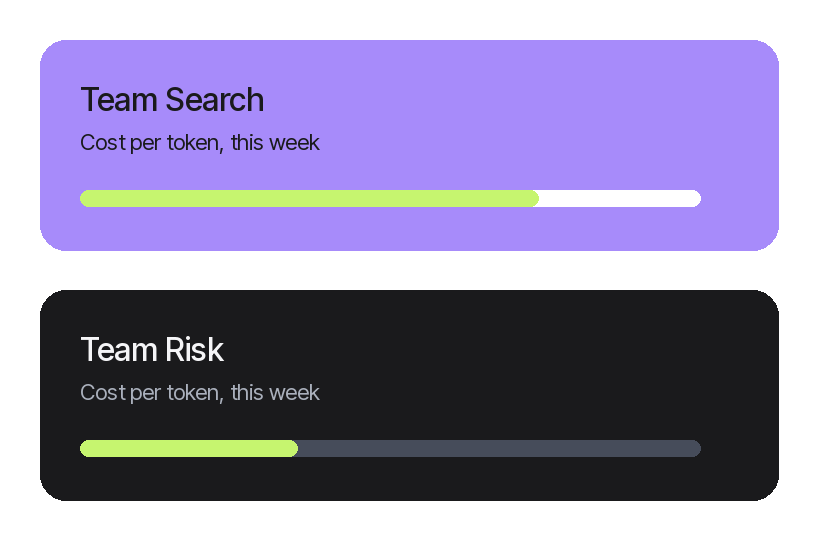
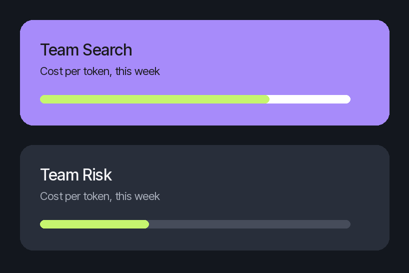
Cost per token, by team
Answer the CFO with a record, not a guess
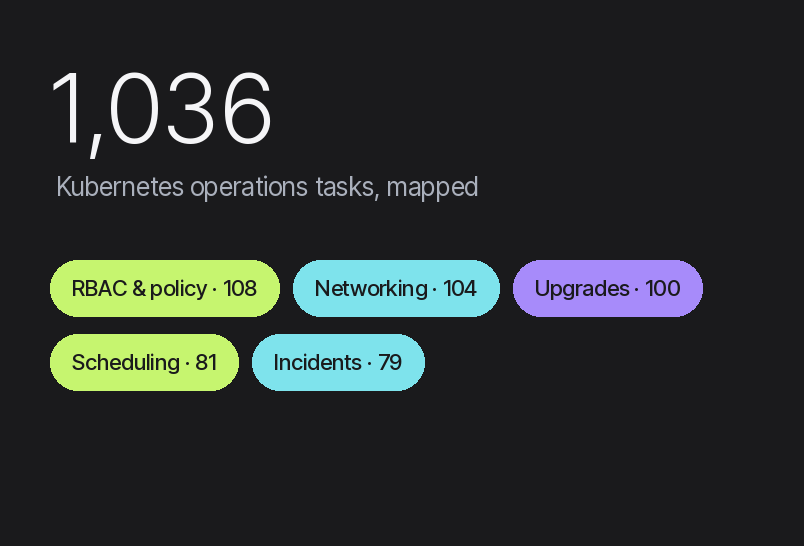
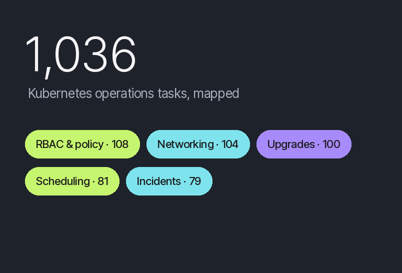
1,036 Kubernetes tasks
Operations already mapped; each change a pull request
Your team approves
Map, then recommend, then act: bounded and reversible
Integration
Plugs into the building you already run.
Read-only first. Rack PDUs, server BMCs, GPU telemetry, cooling loops, Kubernetes and schedulers. Vendor-neutral by design.
FAQ
What operators ask first
Short answers. Ask us anything else when we map your first cluster.
No. The first step is read-only: we map stranded power, cooling headroom and cost per token from your own telemetry.
Your team. Each change comes with its evidence, nothing acts until you approve it, and every action is bounded, reversible and recorded.
It is vendor-neutral by design. It reads rack PDUs, server BMCs, GPU telemetry, cooling loops, Kubernetes and your schedulers.
From what it unlocks: a share of the measured gain.
Start here
When they ask, the record is ready.
Send a work address. We set up a read-only map of one GPU cluster with your team, and you see its stranded power and its operations before anything changes. Start with one, because one cluster shows the pattern for the whole fleet.



















 1